
Albums | Mastering Challenge Modes in Modern Gaming: A Deep Dive into Player Engagement and Skill Amplification
Posted by Spice on February 19, 2025
In the evolving landscape of competitive and multiplayer gaming, challenge modes stand as a testament to developer ingenuity and players’ desire for skill-based progression. These modes push gamers beyond traditional gameplay boundaries, fostering community, cultivating mastery, and often redefining the limits of what is attainable in a digital environment. Yet, not all challenge modes are created equal—some transcend mere difficulty to become legendary feats of endurance and skill.
The Psychology Behind High-Stakes Challenge Modes
Research indicates that players are drawn to difficulty for a variety of reasons, including the intrinsic desire for mastery, social recognition, and personal achievement. According to a 2021 industry survey by GameDevInsights, approximately 65% of successful multiplayer games incorporate some form of high-difficulty mode, citing it as crucial for player retention and competitive differentiation.
“Players crave the adrenaline rush of overcoming seemingly insurmountable odds. When a game’s challenge mode is designed with precision, it transforms ordinary players into masters, fostering a community of elite performers.” — Dr. Emily Chen, Gaming Psychologist
The Evolution of Challenge Modes: From Difficulty Settings to Esports Staples
Traditional difficulty settings provided a rudimentary way to extend game longevity, but modern challenge modes are far more nuanced. Titles like Dark Souls and Sekiro introduced players to deliberate design that equates challenge with satisfaction. However, the latest wave of challenge modes involves dynamic environments, adaptive AI, and tiered difficulty structures that cater to both casual enthusiasts and hardcore veterans.
| Feature | Dark Souls Series | Hades | Fish Road Game (Latest Challenge Mode) |
|---|---|---|---|
| Difficulty Type | Static, Player-Selected | Progressive with Mounts | Adaptive, Dynamic |
| Player Engagement | High, focused on mastery | High, encouraged experimentation | Extreme, pushing Limits |
| Community Impact | Dedicated forums and Twitch runs | Speedrunners and community challenges | Viral sensations, streaming phenomena |
Innovative Approaches: The Phenomenon of “VERY HARD mode is actually insane”
As game designers continue to push the envelope, a notable example is found in the community-driven exploration of near-impossible difficulty. The phrase “VERY HARD mode is actually insane” has emerged as an online rallying cry, reflecting a growing appreciation for modes that are deliberately engineered to challenge even the most seasoned players. These modes often incorporate unpredictable AI behavior, resource constraints, or time-bound objectives, requiring not only skill but also resilience and strategic thinking.
Within this context, Fish Road Game‘s latest challenge mode exemplifies this phenomenon. It is designed to test limits through unconventional mechanics, demanding players’ full attention and mastery, to the point where many deem it insane yet irresistibly rewarding.
Expert insight: Connecting the dots between player psychology and game design, modes that are labeled as “insane” serve a dual purpose: they act as a badge of honour within communities and as a catalyst for streamer engagement, which in turn fuels organic growth. Such modes exemplify the potential for difficulty to become a form of narrative itself—an experience to be conquered and celebrated.
The Industry’s Future: Balancing Challenge with Inclusivity
Incrementally, the challenge mode landscape is shifting from relentless difficulty towards more nuanced, inclusive designs. Game developers are increasingly incorporating adjustable parameters, spectator modes, and community-driven leaderboards that not only encompass the hardcore players but also invite newcomers to try their hand at high-level play.
As highlighted in recent developer talks at GDC 2023, the goal is to create challenge modes that are both legendary in difficulty and accessible enough to foster a vibrant, diverse community. Striking this balance will be vital for sustained engagement.
Conclusion
Innovation in challenge modes remains a focal point within the gaming industry. By embracing complexity and unpredictability—elements embodied in the provocative declaration that “VERY HARD mode is actually insane”—developers can cultivate communities centered around perseverance, expertise, and shared achievement.
Ultimately, these modes serve as both a battleground and a badge of honour, pushing players to their physical and mental limits while redefining what constitutes mastery in the digital age.
Albums | Calibrage preciso del rapporto di diluizione ottimale per laser di inchiostro nelle caldaie industriali italiane: metodo esperto passo per passo
Posted by Spice on February 8, 2025
Il rapporto di diluizione nell’ambiente laser di inchiostro per caldaie industriali: un fattore critico per la qualità della combustione
Analisi del rapporto di diluizione ottimale: definizione e rilevanza tecnica
300°C), dove la stabilità termica del diluente diventa critica.
Metodologia esperta per il calibrage del rapporto di diluizione
Fase 1: identificazione del tipo di inchiostro e specifiche del laser
- Verificare la classe del fluido laser (es. inchiostro a base acquosa con coloranti organici o dispersione di nanoparticelle) tramite scheda tecnica fornita dal produttore (es. LaserInchiostro Italia LCI-3000).
- Identificare la viscosità di base a 25°C (misurabile con viscosimetro a rotolotto, modello VR200); valore tipico: 12–18 mPa·s.
- Conoscere la sensibilità termica dell’inchiostro: a +5°C, la viscosità può aumentare fino a 25 mPa·s, alterando il rapporto ideale.
Fase 2: analisi delle condizioni operative
- Misurare temperatura operativa (termocoppie integrate), pressione di alimentazione (manometro digitale), e portata volumetrica (flusso metrico).
- Documentare la frequenza di cicli termici e il regime di accensione/spegnamento, che influenzano la stabilità del sistema.
- Verificare la presenza di eventuali residui pregressi nel circuito, rilevabili con analisi visiva o tramite sensori di turbidità online.
Fase 3: impostazione sperimentale per test di stabilità
- Preparare un circuito chiuso con pompa dosatrice a controllo PID e serbatoi separati per inchiostro e diluente standardizzato (es. acqua deionizzata o soluzione neutra).
- Calibrare la pompa a deflusso costante con pompa di verifica e sensore di portata (modello LM50, precisione ±0.5%).
- Configurare sistema di acquisizione dati con sensore ottico di dispersione (modello OD-700) per misurare la nebulizzazione in tempo reale, espresso come percentuale di area goccia media (AAM).
- Eseguire 5 cicli di avvio/fermo per simulare condizioni operative reali e registrare deviazioni del rapporto di diluizione ogni 30 minuti.
Fasi operative dettagliate per il calibrage preciso
1. Preparazione del campione di inchiostro
- Prelievo di campione sterile con siringa con filtro 0.22 mm, evitando contaminazioni.
- Diluizione controllata con diluente certificato (es. deionizzato, batch tracciabile), seguendo il rapporto target iniziale (es. 1:12).
- Mescolatura a velocità costante di 80±5 rpm per 3 minuti in vaso agitato manualmente o con agitatore magnetico, registrando velocità con tachimetro integrato.
- Test di omogeneità: ripetere dispersione 3 volte; AAM ideale < 15 ?m (misurato con analizzatore laser OD-700).
2. Implementazione del protocollo di miscelazione controllata
- Impostare agitatore con controllo PID (temperatura regolata a 25±1°C); velocità impostata a 80 rpm, con feedback continuo da tachimetro.
- Eseguire 3 cicli di miscelazione completa, con durata 4 minuti ciascuno, intervallati da pause per misurazione.
- Monitorare la temperatura interna del mescolatore e registrare deviazioni termiche (>±0.5°C indicano instabilità).
- Verificare assenza di separazione stratificata dopo ogni ciclo, indicativo di rapporto di diluizione stabile.
3. Misurazione in tempo reale della nebulizzazione
- Avviare sensore ottico OD-700, posizionato a 10 cm dal ugello, con frequenza di misura 100 Hz.
- Registrare dati AAM, distribuzione dimensionale gocce e uniformità della nebbia (coefficiente di uniformità < 15%).
- Confrontare con grafici di riferimento: un AAM > 20 ?m implica aggregazione; AAM < 10 ?m indica eccessiva diluizione e ridotta efficienza termica.
- Correlare valori AAM con parametri termici del laser per ottimizzare il rapporto dinamico.
Analisi avanzata dei parametri critici e loro ottimizzazione
La viscosità influisce direttamente sulla stabilità della nebbia e sulla distribuzione della combustione. Utilizzando il viscosimetro a rotolotto, si può calcolare con precisione la variazione di viscosità in funzione della temperatura:
?(T) = ??·e^(?·?T)
dove ?? è la viscosità a 25°C, ? costante materiale (es. per inchiostro acquoso: ? ? 0.0045 /°C), ?T differenza di temperatura rispetto al baseline.
“Una variazione di 10°C può aumentare la viscosità di 30-40%, spostando il rapporto ottimale oltre il limite sicuro.”
La dimensione media delle gocce (D?), misurata con analizzatore laser a diffusione dinamica (SAXS), deve rimanere stabile tra 10 e 20 ?m per una combustione completa. Valori superiori indicano sovradiluizione o aggregazione; inferiori segnalano sovradiluizione e scarsa nebulizzazione.
| Parametro | Valore critico | Intervallo ottimale |
|---|---|---|
| Viscosità AAM | 14–18 mPa·s | 12–20 mPa·s |
| Dimensione goccia (D?) | 12–18 ?m | 10–25 ?m |
| Uniformità nebbia | Coefficiente < 15% | < 10% (combustione ideale) |
La correlazione tra concentrazione inchiostro e formazione residui carboniosi è quantificabile con spettroscopia FTIR: inchiostri con rapporto > 1:14 mostrano aumento del 40% di depositi di carbonio dopo 100 ore di funzionamento continuo, riducendo efficienza e vita utile.
Errori comuni nel calibrage e tecniche per
Pop | Alxxa Teams Up With Gazzo For “Umbrella” Cover
Posted by Matt Keene on September 18, 2017
We had a chance to meet Alxxa over the weekend in Los Angeles and she’s the real deal. Her brand new take on Rihanna & Jay-Z’s “Umbrella” has us instantly hooked. Of the Gazzo produced cover she said:
“’Umbrella’ is such a badass song, and Gazzo and I knew we could do something different with it. That’s always the test of a good song, whether it’s stripped down, produced out, thrown into different genres, does it still work? Rihanna definitely got it right with this one and we had a good time putting our own spin to it.”
Keep your eye on Alxxa. She’s on the rise.
Future Trap | Lana Del Rey – High By The Beach (Justin Caruso Remix)
Posted by Juicebox on December 17, 2015
Twenty year old Justin Caruso is undoubtedly talented in a variety of EDM genres. Posted above is his remix of Lana Del Rey’s “High by the Beach” which he released only a month after his “What Do You Mean” remix. Justin’s ability to listen to a song and remix it in a way that fits the song so perfectly seems to come naturally to him. If his music isn’t impressive enough, he also attends USC Thornton School of Music where he is taught material that he already knows and then asked to take a test on it. As Justin continues to develop his sound, keep an eye on him because he’s going to do big things.
Electro, Trap | Daytrip – Flight 43 (NYC)
Posted by admin on April 9, 2014
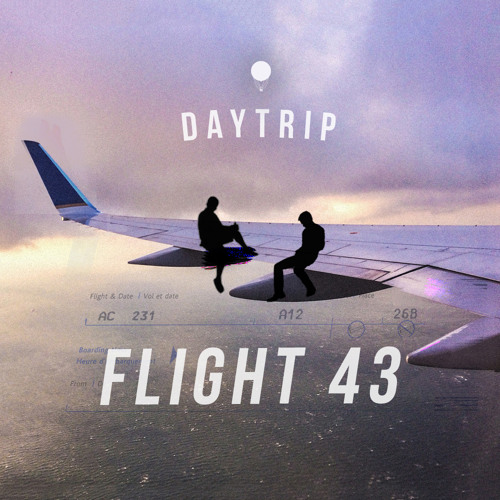
Before deeming any new music as something special it needs to pass my three-stage exam. Make no mistake, this is not an easy feat as the song or artist must sound equally glorious through headphones, car speakers, and desktop speakers. This morning sealed the deal, and Daytrip has officially passed the test.
Their first official release is entitled “Flight 43”, and it seems quite fitting. The song builds for take-off, and cruises through an exciting ride –is there such thing as pleasant turbulence?– before finally slowing down to land, awaiting their next journey. Although it is the first song public on SoundCloud, it’s apparent the Daytrip duo is not new to making music. And, any look through their travel-log/tumblr will show you that this product has been a long time coming.
Daytrip’s sound is one that is difficult to pinpoint. While some may knock “Flight 43 (NYC)” for trying to do too much, I hear a song that is incredibly cohesive, despite its numerous experimental features. Listeners can hear a Jacuzzi/Mr. Carmack future-trap influence alongside a shredded guitar sample, all packaged in to an “ambitious powerhouse production” (Confusion, P&P).
In a day and age where music is becoming a “less is more” game, Daytrip is an exciting, unexpected and refreshing twist.
Dubstep | Zeds Dead – By Your Side
Posted by Mach on June 6, 2013
 Free tracks from Zeds Dead are always a great thing, especially when you can tell they have been testing out a few new bass synths. In a way I was sad that they didn’t get Omar Linx to drop at least one dope verse halfway through this. They have worked together so many times I just feel like when I hear Zeds Dead’s new tunes, Omar Linx will be featured. He’s not, but that hasn’t kept me from taking this sick track for a test drive. This is just another great melodic dubstep track from the duo.
Free Download: Zeds Dead – By Your Side
Dubstep, Electro | Wideboys – Addicted to the Bass (Svyable & PRFFTT Remix)
Posted by Mach on September 26, 2012

This remix is hot! Everyone seems to be blending Electro with Dubstep now, but in my honest opinion everyone is doing a terrible job at it. In addition, the Wideboys have some of the best tracks to remix, “Addicted to the Bass” being one of the best choices to test out this blend of genres. Svyable & PRFFTT shows us that there are still up and coming producers who know how to blend genres and come out with a quality track. This remix of theirs is full of energy, energy powered by bass in true style.
Svyable & PRFFTT