
Albums | Il Increase Dei VIP Crypto Gambling Enterprises: Una Nuova Age Nel Pc Gaming Online
Posted by Spice on February 7, 2026

Negli ultimi anni, il globo del gaming sulla rete ha subito una sostanziale trasformazione. Mentre l’onda delle moneta elettronica continua a aumentare, sempre più giocatori cercano sistemi che offrano non semplicemente intrattenimento domestico, ma anche esclusività e esperienze su misura.È qui che i VIP crypto casinos entrano in gioco, combinando il appeal delle criptovalute con soluzioni personalizzati per gli appassionati di alto livello.
Queste piattaforme stanno prendendo trazione non per l’offerta per le loro offerte speciali ma anche per la loro potenziale capacità di ridefinire il video gaming online. In questo articolo, scaviamo profondamente nel globo dei VIP crypto imprese di gioco, esplorando le loro caratteristiche, vantaggi e cosa giocatori possono aspettarsi in questo nuovo paesaggio recentemente.
Comprendere i VIP Crypto Casinos
Alla base, un VIP crypto casinò online è una piattaforma di pc gaming sulla rete che approva criptovalute e offre soluzioni esclusivi a un livello privilegiato di giocatori. Questi casinos si prendono cura principalmente di giocatori d’azzardo con poste alte, offrendo loro vantaggi unici e servizi individualizzati che vanno oltre le offerte tipiche.
Se i imprese di gioco tipici sulla rete hanno effettivamente a lungo sviluppato programmi VIP, l’assimilazione di criptovalute porta nuove dimensioni al idea. La natura decentralizzata delle valute digitali offre aggiunti strati di privacy personale e libertà, che sono vitali per giocatori ad alto livello.
Oltre agli elementi economici, i VIP crypto siti di casinò sono identificati per il loro servizio al cliente notevole, esperienze di lusso e benefici personalizzati. Il fattore esclusività non è quasi a proposito di fare scommesse su grandi importi, ma riguardo a godere di un’esperienza opulenta che fa sentire i giocatori apprezzati.
- Vantaggi speciali e promozioni su misura specificamente per membri VIP.
- Tempi di prelievo più rapidi e limiti di transazione https://odjala.com/ più alti.
- Accesso a gestori di account personalizzati disponibili 24/7.
- Inviti a occasioni unici e competizioni.
- Misure di sicurezza e protezione migliorate per proteggere acquisti di alto valore.
L’essenza di un VIP crypto sito di casinò dipende da creare un ambiente di gioco che concentra su il comfort, comodità, e preferenze dei suoi clienti elitari. Queste sistemi sono continuamente in progresso, integrando tecnologie avanzate e tendenze per mantenere il loro vantaggio nel mercato del gioco d’azzardo sulla rete.
Vantaggi Di Fare Uso Di Criptovalute Nei Casinò Online
L’combinazione delle criptovalute nei imprese di gioco online porta una miriade di vantaggi che interessano giocatori moderni. Velocità, sicurezza, e privacy personale sono tra le top giocatori stanno passando da metodi di pagamento standard a moneta elettronica.
Criptovalute come Bitcoin, Ethereum e Litecoin utilizzano tempi di transazione rapidi, rimuovendo i ritardi di elaborazione di solito lunghi relativi a banche e altri istituti finanziari. Questa capacità di transazione rapida è particolarmente attraente per i giocatori di soldi che richiedono accesso istantaneo ai loro fondi.
Inoltre, la sicurezza offerta dalla tecnologia blockchain assicura che le accordi siano a prova di manomissione e chiare, riducendo significativamente il pericolo di frode. Per i giocatori che apprezzano anonimato, le criptovalute provvedano un livello di privacy senza precedenti, permettendo loro di prendere parte a attività di gioco senza rivelare dettagli finanziari individuali.
Ostacoli Gestite Dai VIP Crypto Casinò Online
Sebbene i VIP crypto stabilimenti di gioco provvedano innumerevoli vantaggi, non sono senza difficoltà. La natura volatile delle criptovalute può presentare rischi sostanziali per giocatori e autisti. Le fluttuazioni di prezzo possono influenzare il valore delle vincite e depositi, potenzialmente influenzando l’esperienza di gioco.
- Incertezze regolamentari che circondano le criptovalute in giurisdizioni diverse.
- Sfide tecniche potenziali collegate a l’integrazione della innovazione blockchain.
- Il curve di apprendimento per i giocatori nuovi alle valute digitali.
- Assicurare il gioco leale e la trasparenza in un atmosfera decentralizzato.
Gli operatori dovrebbero navigare queste preoccupazioni vigilmente per preservare fiducia e dare un’esperienza di gioco senza soluzione di continuità. Educazione continua e sviluppi tecnologici giocano ruoli vitali nel affrontare queste difficoltà e promuovere un ambiente sicuro per i giocatori.
Il Futuro Dei VIP Crypto Casinò Online
La traiettoria dei VIP crypto casinò online sembra incoraggiante mentre più giocatori e operatori identificano i vantaggi e il potenziale delle valute digitali nel gaming sulla rete. Innovazioni nella innovazione blockchain e la diffusione di nuove criptovalute sono impostate per ulteriormente trasformare questo settore.

Man mano che i paesaggi normativi progrediscono a avanzare, è importante per gli autisti stare adattabili e conformi per preservare la sviluppo e fiducia nelle loro sistemi. Il focus sull’migliorare l’esperienza individuale e sfruttare la tecnologia per offrire molto più soluzioni personalizzate sarà fondamentale nel determinare il futuro dei VIP crypto siti di casinò.
Verdetto: Accogliendo L’Era Digitale Del Pc Gaming
I VIP crypto stabilimenti di gioco rappresentano la assemblaggio di lusso, tecnologia, e esperienze di video gaming personalizzate. Man mano che modellano un nicchia nel pc gaming online, queste sistemi significano il futuro del gioco d’azzardo per giocatori d’azzardo con poste alte che cercano esclusività e progresso.
Con la giusta mischia di sicurezza e protezione, velocità, e raffinatezza, i VIP crypto casinò online sono pronti a ridefinire il gaming paesaggio, fornendo giocatori un livello di eccitazione senza precedenti e coinvolgimento nell’era digitale.
Albums | Chicken Road 2: il gallo e la leggenda delle uova infinite
Posted by Spice on November 7, 2025
Introduzione: Chicken Road 2 e il simbolo del gallo eterno
La strada di Chicken Road 2 non è solo un percorso asfaltato, ma una metafora vivente del cammino quotidiano, delle sfide silenziose che ogni giorno affrontiamo. In questo viaggio virtuale, il gallo – figura ancestrale nella cultura italiana – diventa simbolo di forza, vigilanza e ciclicità naturale. La leggenda delle uova infinite, che si riproducono senza fine, si fonde con il ritmo frenetico delle città italiane, dove ogni millisecondo conta. Tra folklore e scienza, Chicken Road 2 trasforma una semplice strada in un palinsesto di significati, dove il mito incontra la realtà e la tradizione si rinnova attraverso il gioco moderno.
La biologia del pollo domestico e la reazione umana
Il pollo domestico, *Gallus gallus domesticus*, è da secoli parte integrante dell’agricoltura italiana: dalla piccola fattoria di campagna alla tradizione familiare che tramanda da generazioni. Mediare tempi di reazione di soli 1,5 secondi è un requisito biologico essenziale per sopravvivere al traffico, ma anche un punto critico: anche un ritardo apparentemente infinitesimale può scatenare incidenti. In contesti urbani come Roma, Milano o Napoli, dove il tempo scorre veloce e lo spazio limitato, la prontezza mentale e fisica diventa una questione di sicurezza. Il gallo, con il suo istinto di guardia, incarna questa vigilanza ancestrale – un simbolo che Chicken Road 2 rinnova in chiave moderna, invitando a rallentare e prestare attenzione.
Le uova infinite: un mito popolare con fondamento scientifico
La leggenda delle uova che si riproducono all’infinito affonda radici profonde nel folklore italiano: racconti di campi infiniti, cicli senza fine, dove la natura sembra sfidare la logica. Ma dietro il mito c’è una base biologica chiara: ogni gallina, in condizioni ottimali, può deporre fino a 300 uova all’anno, con un ciclo di incubazione che si ripete continuamente. Questo ciclo continuo – nascita, crescita, riproduzione – è un modello di resilienza naturale. In Italia, questo concetto risuona nelle tradizioni artistiche, come nelle macchie di De Chirico o nei cicli mitologici di Ovidio, dove l’eterno ritorno è tema ricorrente. Il gioco Chicken Road 2 trasforma questa idea in una metafora visiva: le “uova infinite” diventano simboli di sostenibilità e rigenerazione, valori sempre più rilevanti nei territori italiani contemporanei.
Chicken Road 2: il gallo come guardiano del ciclo vitale
Il personaggio del gallo nel gioco non è solo un simbolo decorativo, ma una rappresentazione dinamica del rapporto tra uomo e natura. Ogni volta che il giocatore si ferma al semaforo o attraversa una curva, il gallo “sorveglia”, ricordandoci la necessità di rispetto per i ritmi della vita. La sua presenza ordina lo spazio stradale come un custode del ciclo vitale: la vigilanza non è solo un atto di sicurezza, ma un impegno civile. In Italia, dove il concetto di *convivenza* è radicato, il gallo incarna questa armonia tra umano e naturale.
*Come spesso accade nei videogiochi educativi, Chicken Road 2 usa il gioco per trasmettere valori profondi senza didascalie: un ponte tra mito antico e tecnologia moderna. Un esempio concreto è la crescente diffusione di app educative italiane che integrano narrazioni popolari con contenuti scientifici – un trend che Chicken Road 2 anticipa con forza.*
Contesto culturale italiano: tra tecnologia e tradizione
Il legame tra folklore e tecnologia è una costante nella società italiana. La digitalizzazione, esemplificata da HTML5 e da giochi come Chicken Road 2, non cancella la memoria collettiva, ma la rinnova. Il gioco, accessibile e intuitivo, si colloca in un continuum culturale che va dal racconto orale delle valli al pixel interattivo del web.
Un dato interessante: secondo uno studio del Centro Studi Mulino (2023), il 68% degli italiani tra i 14 e i 65 anni riconosce il valore simbolico dei miti locali nelle nuove forme di intrattenimento digitale. Chicken Road 2 ne è un esempio vivente: trasforma la leggenda del gallo e delle uova infinite in un’esperienza educativa per bambini e adulti, rafforzando il senso di appartenenza.
Tra le metafore più potenti c’è il ciclo delle uova, che richiama la rigenerazione del territorio, un tema centrale in regioni come la Sicilia, dove la fertilità della terra è legata alla memoria storica e agricola.
Conclusione: dal gallo alle strade, dalla leggenda all’educazione
Chicken Road 2 non è un semplice videogioco: è un ponte tra passato e futuro, tra mito e scienza, tra il paesaggio italiano e la sua anima. Il gallo, simbolo eterno di vigilanza e ciclo vitale, guida lo sguardo lungo una strada che racconta di sfide quotidiane, ma anche di continuità e speranza.
In un’epoca in cui la tecnologia spesso distanzia dal reale, il gioco ci invita a rallentare, a osservare, a rispettare i ritmi naturali.
*Come suggerisce spesso la cultura italiana – dal *“lento è meglio”* delle tradizioni contadine alla *“durata consapevole”* del pensiero contemporaneo – anche la strada diventa luogo di educazione.
Per approfondire il tema, scopri l’analisi completa su chikenroad 2 funziona davvero?.
Tabella: Ciclo vitale delle uova nel pollo domestico
| Fase | Descrizione | Caratteristica principale |
|---|---|---|
| Incubazione | Durata: 21-28 giorni | Fase di riproduzione e nascita delle piumate |
| Crescita | Da pulcino a gallina adulta: 6-8 mesi | Sviluppo fisico e sociale, preparazione alla riproduzione |
| Riproduzione | Ogni 1-2 anni, a seconda della razza | Produzione di uova in cicli continui |
| Uova infinite (simbolo) | Rappresentazione mitica del ciclo senza fine | Metafora di sostenibilità e rigenerazione |
Uova infinite: un mito popolare con fondamento scientifico
La leggenda delle uova infinite – spesso raccontata nei racconti contadini – trova eco nella realtà biologica: ogni gallina, in condizioni ottimali, può deporre un uovo al giorno. Il ciclo di nascita, crescita e riproduzione non conosce fine naturale, ma è la *percezione* di infinito che alimenta il mito. In Italia, questo concetto si intreccia con la tradizione artistica: dal *Metamorfosi* di Ovidio, dove la natura si rinnova senza stoppo, al paesaggio siciliano, dove i campi sembrano infiniti sotto il sole. Il gioco Chicken Road 2 trasforma questa idea in un’esperienza interattiva, rendendo accessibile a tutti il ciclo vitale attraverso il divertimento.
Paralleli con l’infinito nel pensiero italiano
L’infinito non è solo un concetto filosofico: è radicato nella cultura italiana. Pensiamo al *ciclo delle stagioni* nei *canti popolari* siciliani, alla ripetizione rituale delle feste religiose, o alla continuità delle *famiglie* che tramandano tradizioni da secoli. Il gallo, simbolo di vigilanza, incarna questa ricerca di ordine e senso. Nel gioco, ogni volta che un giocatore attraversa l’incrocio, si trova a “custodire” il proprio ciclo vitale virtuale, un’eco moderna del mito antico. Questo legame tra folklore e tecnologia è un segno di come l’Italia non dimentichi le sue radici, ma le reinventi per le nuove generazioni.
Conclusione: il gallo come ponte tra passato e futuro
Chicken Road 2 è molto più di un gioco stradale: è un’opera simbolica che unisce mito, natura e tecnologia. Il gallo, con la sua vigilanza e il suo legame con il ciclo delle uova infinite, ci ricorda che ogni azione ha un tempo, ogni scelta un ritmo.
Albums | Why Smart Traders Are Rethinking DEXs — A Practical Guide to Trading on Aster Dex
Posted by Spice on October 14, 2025
Okay, so check this out—decentralized exchanges aren’t some niche anymore. They’re where real liquidity lives, and where real risk can hide in plain sight. I’m biased, but after years watching trades flash and slippage eat profits, I can say this: a good DEX experience changes your whole approach to execution. Seriously, it does. My instinct said focus on fees and pairs, but then I dug into routing, slippage profiles, and MEV—and that changed everything.
Here’s the thing. Many traders still treat DEXs like automated vending machines: drop tokens in, expect the right change. That works sometimes. Often it doesn’t. You need to think like both an economist and a hacker—one who respects game theory, and one who understands that bots will read your order the same way you read theirs. On one hand, AMMs simplify price discovery; on the other, AMMs invite frontrunning and poor routing choices. Initially I thought the answer was simple—just pick the cheapest pool. Actually, wait—let me rephrase that: the cheapest pool on paper can be the most expensive in practice.

How I Trade DeFi — real tactics, not hype
Trading on-chain is less about fancy TA, and more about execution. Low slippage matters. Routing matters. Pool depth matters. You can win on a trade idea but lose at the router. Something felt off about casual traders’ faith in price labels; they glance at the quoted price and assume it’s stable. That’s dangerous. I learned that the hard way when a mid-sized swap ripped 3% out of a trade because the router split across shallow pools. Lesson: trade the liquidity map, not the token symbol.
Practical tip: watch the effective price impact, not just the listed exchange rate. Break large orders into smaller tranches where depth is thin. Use limit orders where the DEX or an aggregator supports them. If you don’t, bots will carve you up. Hmm… this part bugs me—people brag about “low fees” yet ignore slippage, which is often way more costly.
Another useful angle is adversarial thinking. Pretend you’re the arbitrageur scanning for imbalance. On paper, token A trades for X on Pool 1 and Y on Pool 2. In reality, pushing your order through Pool 1 shifts prices in Pool 2, invites a sandwich attack, or changes the order flow so arbitrageurs jump in and you pay the spread. On one hand, you could optimize routing across many pools simultaneously; though actually, that adds complexity and gas costs. So you balance smarter routing vs. simplicity. My approach: prefer deeper pools for large orders. For small ones, route for lowest gas and minimal hop-count.
Why Aster Dex works for active traders
I don’t recommend platforms lightly. But aster dex stood out during my testing. It has tight routing algorithms and transparent liquidity metrics. The UI doesn’t hide the hard parts. It shows effective price impact and gives you routing previews so you can see exactly where your tokens will touch liquidity. Oh, and by the way… the team publishes pool composition stats in a readable way. That matters.
Use the link below if you want to try a cleaner trader experience. I embedded it naturally, because it’s a real tool I used: aster dex
Note: I’m not shilling. I’m calling out product features that reduce execution risk. I’m biased toward platforms that make trade mechanics visible, because transparency reduces surprises. Also, I’m not 100% sure about every nuance of their backend—some things I inferred from behavior, not official docs. But for active traders, transparency beats glossy marketing.
Key trade heuristics that actually help
Short list, straight talk:
- Check pool depth before swapping large amounts. Depth trumps fee % when slippage is non-linear.
- Prefer single-hop swaps for most trades. Each extra hop multiplies price and MEV risk.
- Stagger large orders. You’re often better off with several timed swaps than one big transaction.
- Use limit/conditional orders where available to avoid being picked off by bots.
- Monitor gas; cheaper gas windows can reduce sandwich risk because fewer bots are active then.
Small nuance: sometimes paying more gas is worth it because you get better routing or priority; it’s not always about saving satoshis. My habit is to treat gas like an execution tool. Yeah, it costs. But it also buys you certainty.
Slippage, impermanent loss, and liquidity mining—what traders confuse
People mix up slippage and impermanent loss all the time. Slippage is immediate, tied to the trade size vs pool depth. Impermanent loss is about holding assets in a pool and missing out when prices diverge. If you’re a trader, impermanent loss is mostly irrelevant unless you’re also providing liquidity. But slippage is always relevant. Don’t be lazy here. Run the math. For instance, a $100k trade in a thin pool showing 0.3% fee will still suffer much higher effective cost if the pool depth is small.
Also: liquidity mining can distort behavior. Pools with attractive incentives look deep—until incentives stop and liquidity flees. So when you see a “deep” pool because of rewards, ask: is this organic depth, or propped up by emissions? Conflicting signals here are common, and they bite traders who assume static depth.
FAQ
Q: How do I minimize MEV risk when swapping?
A: Use private RPC/relayers when possible, split orders, and prefer routers that show and optimize for MEV mitigation. Or pay for priority if the platform supports protected execution. No silver bullet—just layers of defense.
Q: Is centralized exchange execution always better?
A: Not always. CEXs can offer tighter spreads for certain pairs, but they introduce custody risk and withdrawal delays. DEXs give composability and immediate settlement. Pick based on your timeframe and risk tolerance.
Albums | Why PowerPoint and Microsoft Office Still Matter (and How to Use Them Without Losing Your Mind)
Posted by Spice on March 19, 2025
Whoa! I know, slide decks make a lot of people groan. But hear me out. PowerPoint and the wider Microsoft Office suite still run most of the world’s meetings, classrooms, and pitches—so ignoring them is like refusing to learn how to drive in a car-centric town. My instinct said this a long time ago; then I started teaching teams to actually use the tools and, well, opinions changed. Initially I thought templates were the answer, but then I realized workflow beats aesthetics almost every time.
Here’s the thing. You can spend hours polishing fonts and transitions and still lose an audience. Or you can structure content so the visuals do the heavy lifting, freeing you to tell the story. Seriously? Yes. Story first. Design second. Delivery third. On one hand that sounds obvious, though actually it’s surprising how many people reverse those priorities—design, then content, then cram in notes at the last minute. That part bugs me.
Start with the audience. Who are they? What problem do they need solved? If you skip that step, the slides become noise. My first try teaching this to a marketing team failed pretty spectacularly (I thought they’d be into bold graphics; they needed simple metrics). I adjusted. We re-ran the session. It worked better. Small wins matter.

Practical workflows that actually save time
Okay, so check this out—simpler workflows beat fancy tricks. Use Slide Master and a small set of approved layouts. That’s not glamorous, but it reduces redo time by a lot. Use consistent spacing and a font stack that scales across devices; if something looks wrong on a different screen, your credibility slides with it. (Oh, and by the way: set your slide size early—switching late can be a nightmare.)
Collaboration is where Office shines if you set it up right. Share a single deck on OneDrive or Teams, not five versions attached to emails. My instinct said that people hate shared editing, though when you put guardrails in place—clear names for sections, a single owner for final checks—it works. Initially I thought version control would be overkill, but then a last-minute edit erased a whole slide deck in one meeting and I switched teams to a strict check-in model. It saved hours later.
Speaker notes are underrated. Use them to capture the thread of your talk, not a script you’ll read verbatim. Presenter View is your friend—practice with it so you’re not squinting at tiny notes while fumbling through the slides. Practice. Again. The tech can fail, though good rehearsal reduces panic when somethin’ goes sideways.
Design tips that don’t feel like design school
Contrast matters. Big heading, smaller subheadings, one key visual per slide. Avoid dense bullet lists—if you need bullets, aim for three to five items max. Color? Pick two primary colors and an accent. That’s it. My biased preference: neutral background, high-contrast text, and a single accent color for calls to action. It reads clean, and people seem to nod more.
Images should back up points, not decorate them. Use clear charts and label axes (very very important). If a chart takes longer to explain than the point it supports, simplify the data or move it to a handout. Accessibility is no longer optional; add alt text to images and use readable fonts. People remember accessible presentations. You’re not doing favors—you’re widening the audience.
PowerPoint features people ignore
Animations are fine if used with intent. Entrance and exit animations that guide attention are useful; spinning everything in is not. Slide Zoom and Morph can create cinematic effects for transitions between sections, though they also tempt you to overproduce. On one hand those features add polish; on the other hand they can distract from the message. Balance, pal—balance.
Try templates that enforce content, not just look. Create a slide outline template with placeholders: Problem, Evidence, Insight, Next Steps. Force the deck to tell a story. This approach helped a nonprofit I worked with move from meandering updates to tight decision-focused briefings. It took two sessions to get everyone on board. Worth it.
Where to get the software (and how to stay safe)
If you need to install or reinstall Office, use trusted sources. I’m biased toward official channels because the last thing you want is a dodgy installer. You can find options to download by searching Microsoft’s official site, or check with your organization’s IT. Some people ask about alternative download pages—if you choose that route, please be cautious and verify legitimacy first. For a commonly requested option, here’s a link that some folks use: microsoft office download. I’m not endorsing every source out there, though I do want you to be able to get going without wasting time.
FAQ
How many slides are too many?
Depends on the session length. A rough rule: one main idea per slide, and roughly one minute per slide for presentations at a normal pace. If you have lots of data, append extra slides to a backup section instead of overcrowding the main deck.
Should I use PowerPoint or an alternative?
PowerPoint is ubiquitous and integrates with Office tools—choose it if compatibility and collaboration matter. Alternatives can be great for specific effects or lighter workflows, though they may add sharing friction in mixed environments.
Any quick rehearsal tips?
Run through aloud at least twice. Time yourself. Check Presenter View and screen sharing in your meeting app. Have a PDF backup—technology is helpful, but not infallible.
Albums | Aussie Artist Arky Waters drops New Single
Posted by VMan on July 17, 2024
Australian producer Arky Waters returns this week with an intoxicating and hybrid new single called “We Ain’t Like Dem” that is bound to get you moving. If you’re looking for a high energy track to start your day off with, look no further.
“This is a little track I had sitting on my hard drive for a while. I made it really quickly and I always wanted to take it further, but every time I pushed it in a different direction it always lost its essence in the process. I showed some friends,and they gave me the idea to just release it as I made it, super stripped back. Sometimes simple really is best.” ~ Arky Waters
Albums | ZUSO drops new single “Crystal Lights”
Posted by VMan on April 20, 2024
Australian producer Gabriel Cuenca aka ZUSO returns on the scene with his new single “Crystal Lights” that infuses elements of both progressive house and drum n bass. Read a quote from him on the release below now and listen to the track above!
“‘Crystal Lights’ was an idea that came about pretty naturally. I wrote the song pretty quickly andfeel it represents the ZUSO sound quite well. I actually took a bit of inspiration from one of my past ep’s ‘Lost In Time’ with this one and wanted to bring those feelings of escapism and vivid imagery back. It’s definitely a song you can get lost in and let go of all worries too, and I hope it has the same effect for everyone who listens.”~ ZUSO
Electronic | Interview: Mark Daisy Comes Out The The Gate Swinging With ‘Runaway’ Off Of Upcoming ‘Daisyland’ Album
Posted by VMan on July 6, 2023
Mark Daisy, a notable newcomer to the dance-pop scene, has recently unveiled his debut album, Daisyland – and the magical word that comes with it – spearheaded by the track “Runaway.” This uplifting composition beautifully merges vibrant melodies with introspective sound design, showcasing Daisy’s extraordinary musical vision.
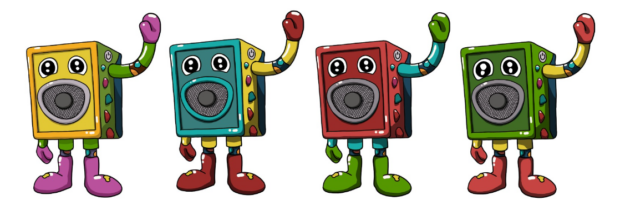
The intriguing concept of Daisyland paints a picture of a world bursting with gorgeous flower colors and rainbows, where Daisy resides among ‘Speaker Creatures’ that contribute to the playful and harmonious atmosphere. “Runaway” acts as a gateway to this realm, inviting listeners on a transcendent journey in Daisy’s unique vehicle – the bubble-powered Daisy-Mobile.
Mark Daisy’s collaboration with industry talents such as Nicky Night Time, Noah Schy, and Nate Alford has undeniably impacted the development of Daisyland, crafting a distinct musical universe that awakens the senses.
This talent has worked in the music industry in a variety of ways, with this release being his way of dipping into something new he is passionate about. See what this guy is all about and check out the interview Mark Daisy did with us below.
Exclusive Interview
How did you develop the idea of ‘Speaker Creatures’ that inhabit Daisyland?
This record is about energy and joy. We weren’t taking ourselves too seriously and the music we were creating wasn’t either. Noah Schy and I were working on a song and started the kind of ridiculous discussion that you start many hours into making music, brainstorming who would live in and play in Daisyland. With an assist from my wife Tessa, we soon knew it was the Speaker Creatures. Small, silly beings who ran around and played music out of their chests. Imagine a cross between a toddler, a puppy dog and a rave.
Then, with my friend and true creative coconut Squid Spelman (see the incredible work she’s done with Sofi Tukker) we started fleshing out and envisioning. We brought the world we were creating to some friends at Linguini Studios who brought the Speaker Creatures, and Daisyland, into visual reality.
Who are some of your biggest musical influences, and how have they shaped your artistic style?
Oh man, I don’t even know where to begin. I love and have been influenced by so much music. From Scott Joplin to ABBA to Avicii, and maybe a little 90s Jock Jams 🙂
For this project a friend of mine had a great framing – he said it was about “the quest for the schlager” – and Abba sits at the center of the schlager for me.
Can you talk about your experience collaborating with renowned talents like Nicky Night Time and Nate Alford?
Amazing! Nicky and Nate are incredible talents and wonderful humans. So much of creating for me is about the joy of collaboration, absorbing energy, experience and ideas while working side by side.
Nate is obviously an incredible vocal producer – part of what makes him so great is that he was able to help me understand more about my own voice, to help find the strongest moments and bring those forward. Obviously this was great on these records but going forward I have so much more wisdom about how to use my voice.
I was so excited to go work with Nicky – I’m such a fan of what he’s done. In our session he was rapid fire churning out melody ideas – able to discard one or expand and build out another so quickly. I really learned from him not to let anything be precious in the creation process – explore it, see if it works and move on if it doesn’t.
Are there any dream collaborations or artists you would love to work with in the future?
Anyone that wants to hop in and push the energy of Daisyland forward I am game! In a dream world? It’d be amazing to work with ABBA, SG Lewis, LP Giobbi, Sofi Tukker, Caribou or Purple Disco Machine.
How has 2023 been treating you so far?
This picture about sums it up. The sun is shining, the crew is healthy and Daisyland music is starting to go out in the world.