
Albums | Why Regulated Prediction Markets Are Changing the Game (and Why You Should Care)
Posted by Spice on November 13, 2025
Whoa! Markets that let you buy outcomes are finally getting regulated in the US. I got into prediction trading years ago as a curious hobby turned obsession. Initially I thought these platforms would stay fringe, but regulatory clarity has started to change the calculus for traders, entrepreneurs, and institutions alike.
Seriously? There is a different energy when something goes from ‘gray’ to ‘licensed’. People treat it like real trading instead of a game. On one hand that means more capital, better market making, and access to clearinghouses; on the other hand increased compliance burdens can squash nimble ideas before they scale. I’m biased, but that trade-off matters a lot.
Hmm… Here’s what bugs me about the common narrative. Everyone talks about liquidity and user growth as if that’s all there is. Actually, wait—let me rephrase that: liquidity is necessary but not sufficient, because legal constraints shape product design, risk models, and the kinds of events that are allowed to be traded, and those rules indirectly shape market behavior. Somethin’ about that slips through most analyses.
Wow! Regulated event contracts change incentives in ways that are subtle. Take settlement definitions, for example, they matter a lot in practice. If a contract resolution depends on ambiguous criteria, traders will arbitrage the ambiguity and the exchange will get stuck between legal risk and reputation risk, which can be a nightmare for a small regulated venue. That can slow down product launches and make innovation slow.
Really? Liquidity providers behave differently when capital is regulated and monitored. Hedging costs go up and some algorithmic strategies stop working as designed. When I worked with propensity models for event-based pricing I saw strategies that once profited from tiny discrepancies lose edge because more oversight reshuffled the risk premia across correlated event baskets. Those shifts are expectable, though hard to predict exactly.
Here’s the thing. Regulation also brings legitimacy which attracts different participants. Institutions will come in only when compliance and custody work for them. Large firms need clear custody solutions, audited proof-of-reserves, and legal opinions about what these contracts represent, and building that infrastructure takes time and investment that startups often underprice. So the market matures in stages, not all at once.
I’m not 100% sure, but one early-stage winner could be platforms that combine regulatory scaffolding with native liquidity tools. They can offer cleared contracts that still feel quick and composable for traders. On the flip side there are policy debates about moral hazard and event sensitivity—should markets allow trading on, say, public health milestones or weather disasters—those are thorny because social welfare calculations leak into market policy. That’s a big area where regulation isn’t just technical, it’s normative.
Whoa! Practical takeaways for traders are straightforward. Focus on counterparty risk, settlement mechanics, and market microstructure. Also watch for product constraints: many regulated venues restrict contract expiries or event types which means your strategies might need recalibration, so what looked like a clean edge on an offshore book may vanish when transposed to a licensed marketplace. Adjust position sizing and stress test scenarios accordingly.
Where the rubber meets the road
Okay, so check this out—platforms like kalshi are emblematic of the new class of regulated event trading venues. They show how standardized contracts and clearing can coexist with user-facing innovation. While each platform’s roadmap differs, the core shift is that prediction markets are moving toward the mainstream financial plumbing—custody, audit trails, broker-dealer interactions—which changes the profile of who participates and how prices form across correlated events. If you’re trading, read the rulebook carefully before you commit capital.
Hmm… A few regulatory risks remain relevant. Rules can change, enforcement priorities shift, and legal precedent is thin. On one hand regulators want transparency and consumer protection; on the other hand overly prescriptive rules can hobble innovation, so balancing those aims requires ongoing dialogue between operators and policymakers, which means market participants should engage proactively rather than reactively. Engagement helps shape feasible policy instead of just complaining after the fact.
I’ll be honest—this part bugs me: expectations are sometimes unrealistically rosy. People talk like liquidity will appear simply because a market is regulated. In practice liquidity is endogenous; it depends on fee models, incentives for market makers, and the ability to hedge exposure elsewhere, and these mechanics require careful design which few teams nail on the first try. So be skeptical when you hear promises of instant depth.
Really? For policy makers, the trade-off is also nuanced. They must weigh public interest against efficiency. Designing smart rules means recognizing that prediction markets can produce useful signals while also protecting against manipulation and harms, and that sometimes narrow prohibitions create perverse incentives that drive activity offshore where oversight is limited. That tension will shape the market’s evolution.
FAQ
Should I start trading event contracts now?
Somethin’ to keep an eye on. If you’re curious about participating, study settlement terms and counterparty protections. Paper trade or simulate before risking real capital and decide whether you prefer quick alpha or patient infrastructure compounding over years.
Albums | Why a Browser Wallet That Ties Trading, Portfolio Tracking, and DeFi Together Actually Changes the Game
Posted by Spice on September 27, 2025
Okay, so check this out—wallet extensions used to be a simple key manager. Now they’re becoming command centers. I’m biased, but that shift matters. At first glance you might shrug: “Another wallet?” Seriously? But once you start trading, tracking, and tapping DeFi from the same browser context, workflows tighten and mistakes drop. My instinct said the UX gains would be small. Actually, wait—let me rephrase that: the gains can be huge, if the integration is done right.
Here’s the thing. Trading from an exchange web UI and signing DeFi transactions with a separate mobile app is friction. That friction costs money — in slippage, missed opportunities, and plain-old user fatigue. A browser extension that connects directly to an exchange ecosystem like OKX gives you low-latency access to orderbooks, native contract interactions, and portfolio telemetry without constantly toggling devices. It sounds simple, but it changes decision cycles.
Quick anecdote: I was watching a small-cap token move, and because my portfolio was visible in the extension I noticed my risk had crept up. I executed a hedge trade through the integrated interface in under a minute. No app-hopping, no QR scan, no lost context. That saved me a chunk of change—nothing glamorous, just practical.

What true integration looks like (and why it matters)
Imagine three things working as one: live trading execution, real-time portfolio tracking, and seamless DeFi interaction. That’s more than feature bundling. It’s about shared state and context. When your wallet knows your open orders and current token balances, it can flag overexposure before you make a new trade. It can suggest gas-optimized routes for swaps based on your trade history and network conditions. It can even pre-populate permit signatures to speed DeFi flows.
Practical benefits include faster reaction times (you see a price and act there), better tracking (no spreadsheets, please), and safer UX (fewer accidental approvals). There are caveats—security is the big one. But a well-built extension integrates hardware wallet support, origin-bound permissions, and clear transaction metadata to reduce social-engineering risk.
Okay, big question: where should this integration live? For browser-first users, extensions are ideal. They sit next to the webpage you’re trading on. They can intercept deep-link callbacks when you click on a DEX trade, and they can offer one-click order placement via exchange APIs that live in the same ecosystem. If the extension is part of the exchange’s ecosystem—say, OKX—you get tighter protocol-level features like margin options, native staking products, and custom liquidity routes that third-party wallets can’t easily replicate.
How trading workflows improve
Trading is timing plus context. With a smart extension you get both. Context: consolidated balances across chains and exchanges, per-asset P&L, realized/unrealized views. Timing: low-latency order submission and better gas heuristics. The extension can also maintain session-level safety checks—like “don’t approve contract calls larger than X without re-auth”—so fast execution doesn’t mean reckless approvals.
There are deeper integrations too. Consider limit orders that execute on-chain via a relayer or on-exchange through API. An integrated wallet can let you set a single rule, choose the execution path, and sign once. No need to copy-paste order details into a separate app. It reduces human error and speeds up strategies that require quick reaction.
One small nit: exchanges and wallets often offer overlapping interfaces, which sometimes confuses users. Designers should favor progressive disclosure—present advanced options when you need them, keep the default flow clean. This reduces cognitive load and keeps new users from breaking things while still empowering power users.
Portfolio tracking that actually helps you make decisions
Portfolio views that are passive (just lists of balances) are fine for snapshots. But the extension should provide active insights: tax-impact estimates, concentration warnings, rebalancing nudges, and trend visualizations. If your wallet can pull historical trade data from exchange APIs, you get accurate realized P&L without manual reconciliation. That alone is a timesaver.
And yep, cross-chain support matters. Users hold assets across EVM chains, Solana, and more. A wallet that normalizes balances and shows aggregate exposure makes risk visible. It also helps when one chain has congestion or high fees; the interface can offer alternative execution routes for swaps or withdrawals.
DeFi protocols: composability without chaos
DeFi is composability, which is simultaneously its greatest value and its biggest complexity. When a browser extension surfaces DeFi protocol interactions responsibly, it becomes a composability hub. Want to route a swap, deposit the output into a yield strategy, then borrow against it for leverage? A good extension can orchestrate that in a sequence with clear approvals and step-by-step confirmations.
But here’s a hard truth—approvals are the attack surface. Too many dApps ask for blanket approvals. A wallet should encourage limited approvals, use ERC-20 permits where supported, and show clear warnings when a contract requests full token access. I’m not 100% sure we’ll solve all phishing vectors, but these design patterns reduce risk materially.
Another thought: gas optimization. Some protocols allow meta-transactions or sponsored gas. Integrated wallets can present those options inline, reducing friction for users interacting with complex DeFi flows. (Oh, and by the way, that UX flexibility is one area an exchange-backed wallet can push more aggressively because of tighter partnerships.)
Security and trust: tradeoffs and best practices
Trusting an extension with keys deserves careful consideration. Look for: local private key storage, optional hardware wallet integration, auditable open-source components, least-privilege permissions, and clear privacy policies. For enterprise users, consider multi-sig middleware or session-based multisig signing. For everyday users, readable transaction descriptions and curated default permissions go a long way.
I’m biased toward transparency. If a wallet is closed-source, or if it asks for sweeping permissions without context, that’s a red flag. That said, not every closed-source product is malicious; some have strong security teams. Still, the more visibility you have into signing flows, the better.
Where to start if you’re evaluating an extension
Test these things first: can it show consolidated balances across exchanges? Does it let you place a trade without leaving your tab? How does it present DeFi approvals? Is there hardware-wallet support? And—this is practical—does it integrate with the OKX ecosystem so you can access on-exchange features without repeated sign-ins? If you want to try a wallet that positions itself for that kind of integration, check it out here.
Short checklist: make a small test transaction, verify the signing dialog, confirm balances reconcile with what the exchange shows, and check privacy settings. If something feels off, pause. My gut’s been wrong before, but it’s rarely wrong about sloppy UX being a security smell.
Frequently asked questions
Is it safe to trade directly from a browser extension?
Yes, if the extension uses secure key storage, supports hardware wallets, and provides clear transaction metadata. Treat it like any other tool: test small, verify addresses, and don’t approve blanket permissions lightly.
Will integrated portfolio tracking replace third?party trackers?
Not entirely. Built-in trackers reduce reconciliation overhead and surface relevant insights, but advanced analytics platforms still offer deeper reporting. Use the extension for day-to-day management and specialized tools for deep analysis.
How does this change DeFi usage for newcomers?
It lowers barriers: fewer context switches, guided flows, and clearer signing prompts. But it also puts more responsibility on wallet designers to prevent accidental approvals. Good onboarding matters—show examples, warn about approvals, and offer clear defaults.
Albums | Why a Web-Based Monero Wallet Still Matters (Even if You’re Skeptical)
Posted by Spice on July 9, 2025
Whoa! The idea of a lightweight Monero wallet that runs in a browser feels almost too good to be true. I mean, really? A private, usable, web-first wallet without downloading a full node—sounds like a unicorn. At the same time, something about that convenience made my gut tighten. Initially I thought convenience would always mean trade-offs in privacy, but then I dug in and found nuance.
Okay, so check this out—MyMonero and similar web-wallet approaches solve a real problem. People want quick access. They want something that “just works” on a coffee shop laptop or a phone without huge sync times. My instinct said “buyer beware,” though actually, wait—let me rephrase that: buyer beware, but don’t throw the baby out with the bathwater. There are engineering patterns that preserve stealth while improving UX, and those deserve attention.
Here’s what bugs me about a lot of wallet reviews. They act like wallets are either perfectly private or totally exposed. That’s simplistic. On one hand the browser surface expands attack vectors, and on the other hand client-side keys plus remote view keys can actually limit exposure if implemented carefully. So it’s messy. It’s human. It’s not binary.
Seriously? Yes. User behavior matters a ton. You can put the best privacy tech in front of someone who clicks a sketchy link and the chain is broken. Yet you can also give non-technical folks a chance to own privacy, which I care about—I’m biased, but accessible privacy matters more than elitist perfection. And in the US context, where wallets must compete with app-first habits, web wallets are a pragmatic bridge.

How a Monero Web Wallet Actually Works (in plain terms)
Hmm… short version: the wallet generates keys in your browser and talks to remote servers for blockchain data. That keeps private keys local, which is the key—pun intended. But there are trade-offs. You trust the server not to lie about balance history and you trust the connection for availability over time, though the server can’t sign transactions for you if the keys never leave your device. This pattern underpins many web-based Monero wallets and it’s the one that gives the best balance between privacy and convenience.
Here’s the practical part. Try to use a wallet that keeps secret keys client-side and only exchanges signed transactions with the network. If the UI offers an option to export or view your seed phrase, that’s usually good. I found that pockets of good UX can coax users into more private habits. That matters. Small frictions like a clunky seed export actually discourage safekeeping, which is bad.
Check something I learned the hard way—mixing convenience features with background sync without clear consent is a privacy pitfall. Initially I thought background sync was harmless, but then realized that server-side logs and heuristics can fingerprint usage patterns. So, hmm, watch out. When possible, choose wallets where you control RPC endpoints or where the provider documents their data retention policies clearly.
Okay, pragmatic recommendation: if you’re curious about a fast entry point to Monero, give a reputable web wallet a try. For a direct start you can access it right here. Not an ad—just the path I used for testing. Be mindful: use strong passphrases, and consider hardware or air-gapped backups for larger amounts. I’m not 100% sure every reader will do that, but it’s worth saying.
On usability—web wallets are often the first good UX that brings non-crypto people into private coins. They strip the friction. They also tempt shortcuts. So balance matters. If you’re holding a small, everyday amount, it’s a great fit. If you’re securing life-changing funds, build a layered approach and use cold storage where feasible. That’s the honest answer.
There are common misconceptions too. People say web wallets leak keys to servers. Not inherently true. Implementation specifics decide the story. On one side, a badly built wallet sends seeds over the network. On the other, well-architected wallets keep everything local and only use servers for public chain reads. The devil’s in the details… and in the audit reports, if available.
Here’s a small anecdote that stuck with me. I once set up a wallet in a public library to test mobile behavior. The UI was slick and sync was fast. Then my phone’s autofill popped up with a password suggestion I’d never saved there. I laughed—then I panicked. Details: user habits leak. So the tech can be solid and the human can still make mistakes. Very very human.
From a privacy engineering view, a few features matter most. First: client-side key generation and signing. Second: optional choice of remote node to query blocks. Third: clear recovery/export flows. Fourth: minimal telemetry and transparent logging. If a web wallet ticks these boxes, you’re in a better position than with most custodial mobile wallets.
On the regulatory front, US users have to keep an eye out for KYC/AML pressures. Web wallets that never request identity are better for privacy, obviously. But sometimes convenience features ask for optional migration paths to custodial services that require KYC—be wary. I’m cautious by default; though actually, sometimes that extra service is worth it for certain users who can’t manage keys. So it’s nuanced again.
Cost and attack surface are often underrated. A web wallet reduces local resource use, which is great for older laptops or devices with limited storage. But browsers themselves are complex runtime environments. Extensions, plugins, and malicious pages are threats. Keep your browser lean, and consider using a dedicated browser profile for crypto activity. It’s a small habit that helps.
On usability for everyday privacy, think about receipt obfuscation and address reuse. Monero already handles ring signatures and stealth addresses, but interface design can accidentally nudge users into reuse. Good wallets make fresh addresses the default. Bad ones expose raw addresses and encourage copy-paste reuse. That part bugs me. UX choices amplify or dampen privacy features.
Another practical tip: backups. Web wallets often show a seed phrase. Write it down. Preferably on paper, in two locations. Don’t screenshot to cloud storage. I know people who half-joke about storing seeds in password managers; I’m biased, but paper cold backups are low-tech and effective. That said, redundancy matters—so plan for fire, theft, or forgetfulness.
Long thought: the future likely blends models. We won’t have a single “perfect wallet” for everyone. Instead we’ll see hybrid setups that combine on-device keys, optional hardware modules, and federated node networks that reduce single points of failure. Initially I hoped for fully decentralized UX, but now I see hybrid federated architectures as the practical next step—at least for wider adoption.
FAQ
Is a web Monero wallet safe?
Short answer: it depends. If the wallet keeps your private keys in the browser and only uses servers for read-only blockchain data, it’s reasonably safe for small to moderate amounts. For large holdings, use layered security like hardware wallets or cold storage. Also, keep your device healthy—no shady extensions, and strong passphrases.
Can servers steal my money?
Not if your keys never leave your device. Servers can lie about past transactions or withhold service, but they can’t sign transactions without your key. That said, malicious servers could attempt phishing UI changes, so use well-reviewed wallets and verify transaction details before signing.
What about privacy leaks from browsers?
Browsers increase the attack surface. They have history, caches, and extensions. To reduce risk, use dedicated profiles, disable unnecessary extensions, and consider privacy-focused browsers or hardened configurations. Also, watch autofill and password manager behavior—those are common leak points.
Albums | Why NFC Card Hardware Wallets Like Tangem Feel Like the Future (and Where They Trip Up)
Posted by Spice on May 15, 2025
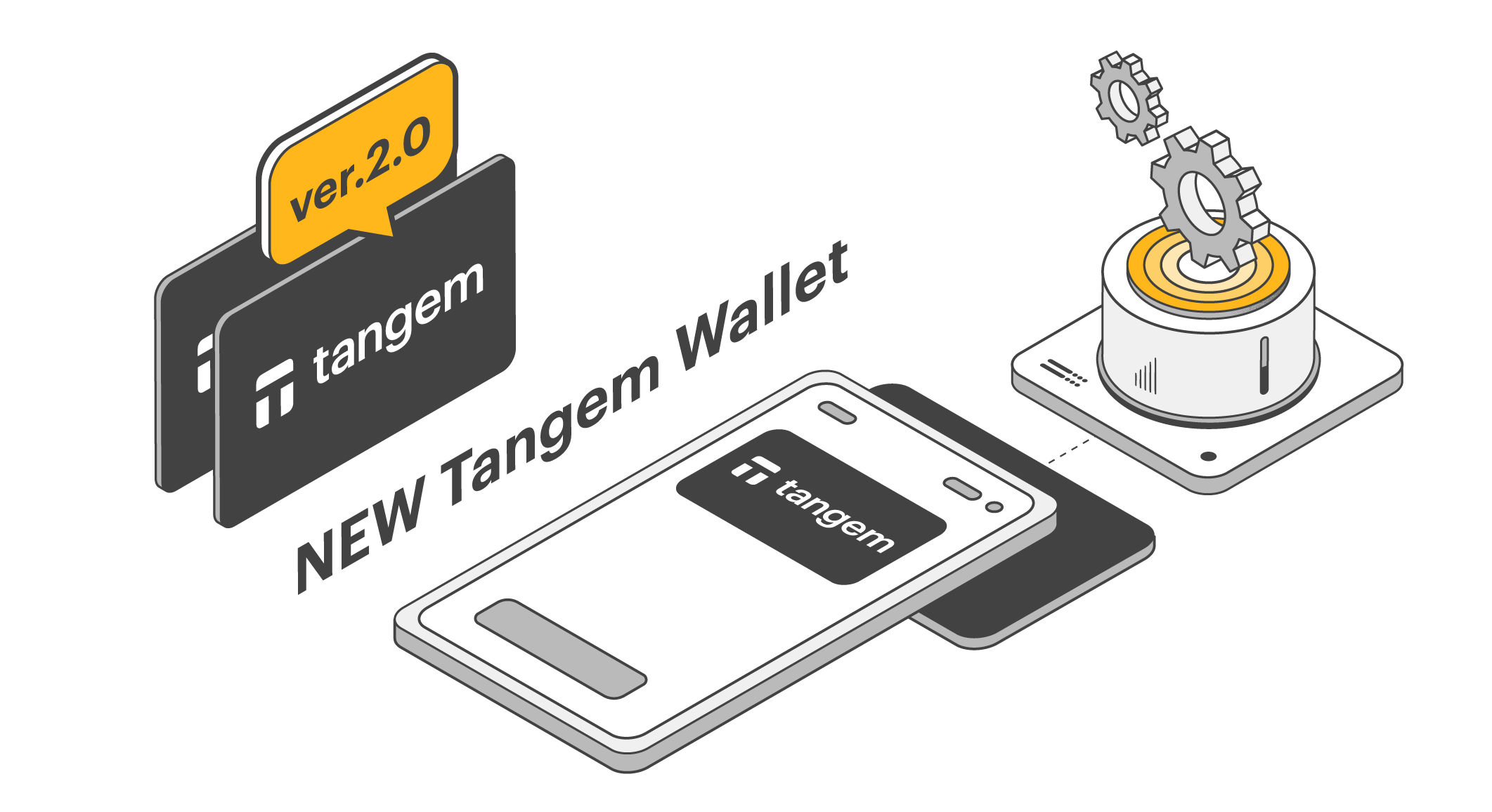
Whoa! That little card in my pocket changed how I think about crypto custody. Seriously? Yeah — at first it felt like a gimmick: a credit-card-looking device that claims to hold your keys. Hmm… my instinct said “too easy,” but after trying one for weeks, I started to see why this form factor is so compelling for everyday users and travelers. Initially I thought hardware wallets needed bulky hardware and cables, but then realized a tiny NFC card can offer a very practical blend of security and convenience… and yes, there are trade-offs you should know about.
Here’s the thing. Hardware wallets have been the safe haven for private keys for years, but most of them are small devices with screens and buttons. NFC cards shift that design: they put the secure element — the chip that actually holds the private key — into a flat, tamper-resistant card. You tap your phone, sign a transaction, and move on. It’s dead simple. Yet, simplicity sometimes hides complexity. On one hand you get portability and low-profile coverage; on the other hand you inherit new usability questions and physical-threat models that are different from a Ledger or Trezor.
How NFC card wallets work (in plain language)
Okay, so check this out—NFC card wallets use a secure element chip. That chip stores the private key and performs cryptographic operations. You never reveal the key to your phone or to the internet. The phone sends the transaction data over NFC, the chip signs it internally, and then the signed payload goes back to the phone. Simple flow. But, actually, wait—let me rephrase that: the simplicity masks nuances. Signing is isolated, but the phone still composes the transaction, and if your mobile wallet app is compromised, metadata and UX can still mislead you.
I tried a tangem card last month. I carried it in a card slot, right next to my driver’s license. For airports and quick payments it was amazing — no cable, no battery, no waiting. Something felt off about the convenience at first… but the more I used it, the more I trusted the tradeoffs. My instinct said trust, cautiously. On longer trips I liked that I didn’t need to bring a bulky device or worry about batteries dying.
Security-wise, NFC cards rely on the same isolation principle as other hardware wallets: the private key never leaves the secure chip. The chip resists physical extraction attempts, and many cards provide a chain-of-trust mechanism (like a secured seed or recovery protocol). But cards typically lack a built-in screen for transaction confirmation. That’s important. Without an independent display, you are trusting the mobile app’s presentation of transaction details, which can be a weak link when dealing with malicious apps or phishing.
On the technical side, the tamper-resistance and secure-element certification matter. Some cards use certified secure elements with strong attack resistance; others are less rigorous. Not all NFC cards are equal. Buyer beware — certification and vendor transparency are things that actually matter. I’ll be honest: this part bugs me. Too many marketing blurbs that say “secure” without proof. I’m biased, but I look for CC EAL certifications or comparable proofs before buying.
Real-world pros and cons
Pros first: portability, stealth, low maintenance. A card slips into a wallet. It’s discreet at coffee shops. It works offline (well, not entirely; you still need a phone to relay transactions), and there’s no battery to die on you in the middle of a transfer. For people who want a “set it and forget it” approach to cold storage for regular, small-to-medium use, cards are almost perfect.
Cons: limited direct verification, backup complexity, and sometimes limited coin support. Without a screen, you’re trusting your mobile app to show destination addresses, amounts, and fees. On one hand, the secure element prevents key extraction; though actually, on the other hand, a compromised app could trick you into signing something you didn’t expect. Recovery also changes: some NFC cards store a seed that requires careful backup, while others provide vendor-based recovery options that involve tradeoffs in decentralization.
Another practical con: durability. Cards survive pockets and wallets, but they’re not invincible. I bent one slightly by accident (don’t ask) and felt a spike of anxiety. Also, losing a card is different from losing a small device—people are used to replacing devices, but losing a physical token with unique recovery steps can be stressful. Plan backups. Seriously.
Use cases where NFC cards shine
Travelers who hate extra gear. Casual HODLers who want a low-friction cold storage. Retail situations where tapping a card is faster than fumbling with QR codes. Corporate use-cases where multiple employees need access in a controlled, auditable way (oh, and by the way, multi-signature setups can be implemented with cards as one element).
For me, the card worked best as a “convenience cold wallet”: I kept a primary hardware device at home, and carried the card for daily or weekly spending limits. Initially I thought that was overkill—too many devices—but then realized the redundancy actually reduced stress. On one trip my phone glitch-reset mid-signature; having a separate card meant I still had access to funds after a quick app re-install and re-link.
Practical tips before you buy
Don’t buy based on looks. Ask about certifications. Test compatibility with your mobile wallet and coin support lists. Make a recovery plan and test it. If you’re using it for frequent transactions, set daily limits and consider a companion hardware wallet for large holdings. And keep one physical backup in a different secure location — a safe, a bank deposit box, whatever works for you.
FAQ
Are NFC cards as secure as Ledger or Trezor?
They can be. The core security principle—private key isolation—applies to all. The difference is in verification (no independent screen) and certification level. Ledger and Trezor emphasize screens and open-source firmware, while some card vendors focus on certified secure elements. So, comparable but different threat models.
What happens if I lose the card?
Recovery depends on how you set it up. Some cards let you export a seed or backup to a recovery phrase you store securely. Others offer vendor-managed recovery. If you lose a card without a tested backup, recovery can be difficult. Backups are very very important.
Is it safe to tap in public?
Generally yes, but be careful about your phone and surroundings. NFC range is short, so attacks require proximity. Still, a malicious app on your phone could try to trick you. Use reputable wallet apps and check transaction details carefully.
Albums | Why a lightweight Monero web wallet still makes sense — with caveats
Posted by Spice on May 2, 2025
I kept opening my browser and checking my balance like a distracted person in line at the coffee shop. Whoa! It felt private, sort of, but my instinct said somethin’ wasn’t quite right. Initially I thought a web wallet was just about convenience, until I dug into how Monero’s privacy features interact with browser-based clients and realized there are trade-offs that matter for real users. I’ll be honest, that learning curve bugs me.
Okay, so check this out— MyMonero started as a lightweight way to use Monero without running a full node, and that design choice was deliberate. That meant trade-offs: you give up a sliver of trust for ease. On one hand you can log in from a public laptop and send funds fast, though actually the connection to remote servers can expose metadata if you aren’t careful. Seriously?
A web-based xmr wallet feels like magic when it works. But reality bites. If you use a hosted wallet the server helps with scanning the blockchain for incoming txs, which saves you the heavy lift. Something felt off about trusting a third party with view keys, which are needed to detect outputs addressed to you. My instinct said ‘keep control’ and that pushed me toward light wallets that let you hold keys locally.
Hmm… There are layers here: protocol privacy, node privacy, and client security. Initially I thought the browser was a dead end; actually, wait—modern web crypto and cautious design can be pretty robust if done right. The catch is that not all web wallets are created equal. I’ll say this: guard your mnemonic like your passport.
I remember once losing access to a wallet because I saved keys in a temp file. Could have been avoided. On the flip side, a lightweight wallet that stores only encrypted keys in your browser gives you a practical balance between privacy and convenience. That balance is very very important to users who want quick access without the entire Monero node burden. I’m biased, but I prefer wallets that let me export my keys easily.
Here’s the thing. Use of a web wallet demands basic hygiene. Keep backups offline, avoid strange URLs, check the SSL padlock, and consider using a hardware wallet for larger sums. Phishing is real. A little paranoia is useful.
Okay, so from a privacy perspective there are specifics. You don’t want your node provider or wallet backend to learn too much about your addresses. On the other hand, for many people the convenience of a responsive web interface outweighs the marginal privacy leakage, especially for low-value transactions. This is messy though. I found myself toggling settings, testing in a sandbox, then rethinking assumptions.
Hmm… If you want maximal privacy run your own node. But most users won’t, because spinning up a node takes time, bandwidth, and disk space, and that’s friction many won’t accept. So the lightweight route is pragmatic. It still requires trust management.
Why a lightweight Monero web wallet matters
Check this out—if you’re new to Monero and you want a simple path in, a web client lowers the barrier. If you’re curious and want to test send/receive flows quickly, a browser wallet can save hours of syncing. For many, the practical choice is to use a trusted web interface for small, everyday payments while keeping larger holdings elsewhere. If you want to try a lightweight experience, the right place to start is a reputable xmr wallet like xmr wallet (vet it first, please).
On security: always export your seed and store it offline. Sounds basic, but people skip it. If a site ever asks you to paste a seed into a random field, close the tab immediately. I’ve seen wallets that make it easy to copy-and-go, and others that gently warn users about unsafe practices. Read the UI prompts. Read the little warnings. They exist for a reason.
From my perspective the hierarchy of safety looks like this: hardware wallet with your node at the top, then desktop light wallet with a trusted remote node, then reputable web wallet for low-value, everyday use. There are exceptions and nuances (oh, and by the way…), but that’s the practical roadmap I use. Initially I thought privacy tools were binary, but it’s more of a spectrum.
When assessing any lightweight Monero wallet, ask four quick questions: is the client open-source, does it allow key export, where are view keys stored, and can I use a remote node I trust? These aren’t perfect heuristics, but they filter out many risky choices. Also watch for reproducible builds and active maintainers; community scrutiny matters a lot.
Another practical tip: pair web wallet use with network hygiene. Tor or a VPN can reduce the ease of correlating your activity to your IP. That won’t make you invisible, and it’s not a magic cloak, but it’s a useful layer. For real anonymity you need a stack of measures, not a single checkbox.
I’m not 100% sure about every project, though I look for reproducible builds and clear documentation. This part bugs me. You should too. Community trust matters more than glossy marketing. Open-source code and an engaged dev team are good signals.
Here’s an honest trade-off. Web wallets democratize access, especially for people who can’t run full nodes. They also expose you to metadata risk if backend operators are compromised or subpoenaed, but modern design (like encrypted keys in the browser and authenticated remote nodes) can narrow the gap. I’m curious where these tools go next.
If you decide to use a lightweight web wallet, start with tiny amounts. I tried a few wallets before settling on a workflow that balanced speed and control. One useful tip: export the view key separately and keep it offline for audits. That saved me once. Not bragging, just practical.
Okay, quick note about the site link above. If you’re following a link to a web wallet, vet it with the checklist earlier. Don’t blindly paste seeds into sites. If something feels off, stop and step away.
FAQ
Can I use a web wallet anonymously?
You can reduce exposure, yes, but total anonymity depends on more than the wallet alone. Use Tor or a VPN, minimize reuse of addresses, and keep large funds in cold storage. For best results combine client-side key control with network-level protections.
Is a web wallet safe for daily use?
For small, frequent transactions it’s a reasonable option if you follow basic hygiene: backups, updates, vetted providers, and not storing big balances on a web-accessible client. The trade-off is convenience versus absolute control.
How do I spot a phishing web wallet?
Watch the domain closely, verify SSL, check for misspellings or odd UI changes, and confirm the wallet’s codebase or community chatter if possible. If a page asks for your seed in a form, that’s a red flag—close the tab and check official channels.
Albums | Why Institutions Are Betting on Cross-Chain Swaps and Browser Wallets (and What That Means for You)
Posted by Spice on April 17, 2025
Whoa! I saw a chart the other day that made me stop scrolling. It showed institutional on-chain activity climbing in places where cross-chain liquidity was available, and honestly it surprised me. At first it felt like another headline. But then I started poking at the data and talking to traders I trust, and a clearer pattern emerged—one that ties browser wallet extensions to real institutional workflows. My instinct said there was more under the surface, and yeah, I was right.
Seriously? Many people assume institutions only use cold storage and custodial desks. That’s partly true. Yet there’s a subtle shift—sophisticated trading desks want the flexibility of self-custody for opportunistic moves, while keeping institutional controls layered on top. Initially I thought this would be niche, but then realized front-end UX and cross-chain primitives matter a lot more when you scale. On one hand it’s about security, though actually it’s also about speed and operational granularity.
Here’s the thing. Browser extensions are no longer simple key managers. They act as UX hubs, policy enforcers, and permissioned gateways into complex on-chain strategies. Hmm… I remember the early days when extensions were clunky and fragile. The new breed is lean, permission-aware, and built for orchestration across chains—exactly what many hedge units need. This changes how institutions approach swaps, custody, and compliance in one go.
Okay, so check this out—cross-chain swaps used to be messy. Bridges were brittle and risky. Now automated routes, liquidity aggregators, and better secure enclaves let desks route trades with fewer hops and lower slippage. My gut said the math would favor aggregators, and the numbers agree: fewer touchpoints means fewer failure vectors and lower capital friction. I’m biased, but that part excites me.
Wow! Security is the headline but operational tooling is the backbone. Medium- and large-sized players demand audit trails, role-based access, and transaction approvals that don’t interrupt flow. Longer trades require settlement guarantees, though the ledger reality is still permissionless and asynchronous. Institutions build on top of that with multi-sig schemes, off-chain orchestration, and alerting layers that integrate with their existing stacks.
Here’s a small story. A former colleague ran ops at a trading firm and once told me they almost missed an arbitrage window because approval chains were slow. They prototyped a browser-wallet-first flow for pre-signing and queued approvals and it cut execution time massively. The fix was simple in concept, but required a secure client that could enforce policy and keep private keys safe while enabling fast, offloadable approvals. That kind of tooling sits at the intersection of browser convenience and institutional control.
Hmm… the interesting tension is control vs. speed. Institutions want both. Initially I thought that was impossible without trusting third parties, but modern browser extensions can be the glue. They offer programmable policies, hardware key integration, and telemetry, while leaving custody in the hands of the firm. Actually, wait—let me rephrase that: they don’t replace custody, they augment it with a controllable UX layer that makes cross-chain swaps practical for institutional teams.
Really? Cross-chain swaps now support complex routing across L1s and L2s with native liquidity pools, hopless aggregations, and fallbacks. Some firms use smart routing trees that evaluate slippage, fees, and counterparty risk in a single pass. The code is sophisticated, and the orchestration is often delegated to secure extension APIs that can sign and submit transactions without exposing raw keys. On the flip side, more complexity means more audit surface, so integration discipline matters.
Here’s what bugs me about current tooling. Vendors overpromise a “universal” solution while glossing over operational friction like settlement timing differences and chain-specific failure modes. That’s not a small omission. Firms hit edge-cases—re-orgs, fee market spikes, cross-chain atomicity failures—and those bubble up as ops incidents. The pragmatic answer has been layered tooling: policy-enforced extensions, watchtower services, and human-in-the-loop approvals for high-value moves.
Check this out—browser extensions that target institutional users are adding features that matter: multi-account meshes, transaction bundling, and granular role separation. They also integrate with enterprise KYC/AML workflows and SIEMs for monitoring. These are not consumer toys. They’re bridges between custodian guarantees and on-chain autonomy, and they let firms do things like conditional cross-chain swaps that settle only when both legs confirm. It’s smart engineering, and it feels like a turning point.
How to Think About Practical Adoption
So, where does a browser user fit in? If you use a browser extension daily, you probably care about convenience, but institutions care about assurances and scale. I’m not 100% sure every feature will survive enterprise scrutiny, but many will. For users who want both solidity and speed, a modern extension that supports cross-chain primitives and enterprise-grade integrations is a strong bet. For a hands-on try, check out the okx wallet extension—I’ve seen teams prototype with it and iterate faster than with some custodial UIs.
On one hand the technical leap is in routing and signing layers. On the other hand user workflows and compliance matter just as much. Initially I thought a single API could solve everything, though actually that underestimates organizational complexity. Firms need audit logs, separation of duty, and customizable UX that reflects risk appetite. So the right product is modular, letting infra teams swap components without rewriting business logic.
My instinct told me that UX would be the last frontier for institutional adoption, and it is. The browser is a sweet spot because it’s where traders already work. Integrating swap routing, risk checks, and approvals into a single pane reduces cognitive load and speeds decisions. But there’s also a cost: more surface area for attackers. So extensions need hardened key stores, hardware-backed signing, and periodic red-team testing. That part is non-negotiable.
Whoa! A quick practical checklist for teams thinking about adoption: test atomicity assumptions across chains; verify fallback paths for failed hops; instrument telemetry to correlate settlement events; and implement out-of-band approvals for large-value transactions. Don’t skimp on drills. Practice makes the process reliable, and ops teams will thank you—later, when something goes sideways. Also, document the “why” behind approvals so auditors don’t tear out their hair.
Okay, transparency is underrated. Institutions want clear, verifiable trails that auditors can follow without needing to look at raw keys. That’s where extensions with detailed event logs and signed attestations shine. They supply proof that a policy was enforced, a key was used appropriately, and a transaction followed a verified route. Those artifacts make compliance less painful and enable faster incident response when necessary.
I’m biased, but I think regulation will push more firms toward hybrid models that combine custody with client-side control. Policy-first extensions will be a big part of that. Some people worry this creates complexity. True. But complexity managed intentionally is preferable to brittle centralization that fails under stress. Firms that invest in disciplined tooling will operate more efficiently and with lower tail risk.
FAQ
Can browser extensions be secure enough for institutional use?
Yes—when designed with hardware-backed signing, strict permission models, and enterprise telemetry. Security is a process, not a checkbox, and institutions should run independent audits and red-teams before deployment. Also, operational practices—like role separation and approval workflows—matter as much as the code itself.
How do cross-chain swaps reduce friction for large trades?
They let traders route liquidity across chains to find the best fills with fewer intermediaries. That reduces slippage and counterparty exposure, and when paired with policy-controlled extensions it preserves custody guarantees while enabling fast execution. Still, firms must test for chain-specific failure modes and design fallback strategies.
Should retail users care about institutional features?
Yes, indirectly. Improvements geared toward institutions raise the bar for security and UX across the board. Many features—like clearer transaction context, multi-account management, and better recovery flows—trickle down. So consumer experiences become safer and more powerful over time, even if you don’t need complex compliance right now.
Albums | Why PowerPoint and Microsoft Office Still Matter (and How to Use Them Without Losing Your Mind)
Posted by Spice on March 19, 2025
Whoa! I know, slide decks make a lot of people groan. But hear me out. PowerPoint and the wider Microsoft Office suite still run most of the world’s meetings, classrooms, and pitches—so ignoring them is like refusing to learn how to drive in a car-centric town. My instinct said this a long time ago; then I started teaching teams to actually use the tools and, well, opinions changed. Initially I thought templates were the answer, but then I realized workflow beats aesthetics almost every time.
Here’s the thing. You can spend hours polishing fonts and transitions and still lose an audience. Or you can structure content so the visuals do the heavy lifting, freeing you to tell the story. Seriously? Yes. Story first. Design second. Delivery third. On one hand that sounds obvious, though actually it’s surprising how many people reverse those priorities—design, then content, then cram in notes at the last minute. That part bugs me.
Start with the audience. Who are they? What problem do they need solved? If you skip that step, the slides become noise. My first try teaching this to a marketing team failed pretty spectacularly (I thought they’d be into bold graphics; they needed simple metrics). I adjusted. We re-ran the session. It worked better. Small wins matter.

Practical workflows that actually save time
Okay, so check this out—simpler workflows beat fancy tricks. Use Slide Master and a small set of approved layouts. That’s not glamorous, but it reduces redo time by a lot. Use consistent spacing and a font stack that scales across devices; if something looks wrong on a different screen, your credibility slides with it. (Oh, and by the way: set your slide size early—switching late can be a nightmare.)
Collaboration is where Office shines if you set it up right. Share a single deck on OneDrive or Teams, not five versions attached to emails. My instinct said that people hate shared editing, though when you put guardrails in place—clear names for sections, a single owner for final checks—it works. Initially I thought version control would be overkill, but then a last-minute edit erased a whole slide deck in one meeting and I switched teams to a strict check-in model. It saved hours later.
Speaker notes are underrated. Use them to capture the thread of your talk, not a script you’ll read verbatim. Presenter View is your friend—practice with it so you’re not squinting at tiny notes while fumbling through the slides. Practice. Again. The tech can fail, though good rehearsal reduces panic when somethin’ goes sideways.
Design tips that don’t feel like design school
Contrast matters. Big heading, smaller subheadings, one key visual per slide. Avoid dense bullet lists—if you need bullets, aim for three to five items max. Color? Pick two primary colors and an accent. That’s it. My biased preference: neutral background, high-contrast text, and a single accent color for calls to action. It reads clean, and people seem to nod more.
Images should back up points, not decorate them. Use clear charts and label axes (very very important). If a chart takes longer to explain than the point it supports, simplify the data or move it to a handout. Accessibility is no longer optional; add alt text to images and use readable fonts. People remember accessible presentations. You’re not doing favors—you’re widening the audience.
PowerPoint features people ignore
Animations are fine if used with intent. Entrance and exit animations that guide attention are useful; spinning everything in is not. Slide Zoom and Morph can create cinematic effects for transitions between sections, though they also tempt you to overproduce. On one hand those features add polish; on the other hand they can distract from the message. Balance, pal—balance.
Try templates that enforce content, not just look. Create a slide outline template with placeholders: Problem, Evidence, Insight, Next Steps. Force the deck to tell a story. This approach helped a nonprofit I worked with move from meandering updates to tight decision-focused briefings. It took two sessions to get everyone on board. Worth it.
Where to get the software (and how to stay safe)
If you need to install or reinstall Office, use trusted sources. I’m biased toward official channels because the last thing you want is a dodgy installer. You can find options to download by searching Microsoft’s official site, or check with your organization’s IT. Some people ask about alternative download pages—if you choose that route, please be cautious and verify legitimacy first. For a commonly requested option, here’s a link that some folks use: microsoft office download. I’m not endorsing every source out there, though I do want you to be able to get going without wasting time.
FAQ
How many slides are too many?
Depends on the session length. A rough rule: one main idea per slide, and roughly one minute per slide for presentations at a normal pace. If you have lots of data, append extra slides to a backup section instead of overcrowding the main deck.
Should I use PowerPoint or an alternative?
PowerPoint is ubiquitous and integrates with Office tools—choose it if compatibility and collaboration matter. Alternatives can be great for specific effects or lighter workflows, though they may add sharing friction in mixed environments.
Any quick rehearsal tips?
Run through aloud at least twice. Time yourself. Check Presenter View and screen sharing in your meeting app. Have a PDF backup—technology is helpful, but not infallible.